Monday, February 8, 2016

Lead Poisoning, Flint Water Crisis, and a Solution

The Sphere of Health extends sympathy to the victims of the Flint water crisis. This post is dedicated to them and the hope that this can be prevented in the future.

Lead has the atomic number 82 on the periodic table, with an atomic mass of 207.2 amu. It is one of the five most toxic commonly found heavy metals in the human body, the others being: mercury, cadmium, aluminum, and arsenic.  Lead has a toxicity rating high enough that any physically measurable presence of it in the tissues can result in health complications.

Common Causes of Lead Exposure

There are several ways lead can get into our systems. Some of the more common causes will be listed below, but are not by any means the only pathways.

Even though lead based paint is no longer made in the United States, it still is in our surroundings.  Many old buildings and homes still contain lead paint. When those buildings are destroyed, or the paint is stripped or chips away, it can cause a hazard for those in its proximity.

Occupational exposure is without a doubt the number one cause of lead poisoning as far as adults are concerned. Many skilled trades related to construction, as well as plumbing, ammunition, mining, and others.

In urban areas, especially around industrial sectors that use lead in their products, lead can make its way into the soil.  From there, due to runoff from rainfall, it can end up in the nearby rivers or lakes.  This, in turn, can also result in it turning up in drinking water.  This can also be the case if you have an aging or inadequately constructed piping system.

Lead Ore.  People who have the occupations of mining and smelting can be put at special risk if they are not given the right personal protection equipment, or if the equipment is not functioning optimally.

Why is Lead so Bad for You?


Lead can cause a wide variety of negative health conditions. Central to its ability to do so stems from two main factors. It can mimic the appearance to the body's enzymes of many beneficial metals that are essential to health. The second is a partial consequence of the first - lead has a higher proficiency to binding to these enzymes, which displaces the beneficial metals from binding and interacting.

Several of these beneficial metals are only needed, and bioavailable in small amounts in the diet. Hence, it doesn't take a lot of lead in the body to prevent these interactions and cause significant inhibition to these necessary processes. Therefore, it is considered a highly toxic heavy metal. The limit for lead in the body before it is considered to be at risk is only 10 micrograms per deciliter of blood, and 5 micrograms per deciliter for children.

What Health Problems Can Occur as a Result of Lead?


Because trace elements are needed for optimal function of virtually every system in the body, the complications of lead can also cause a wide array of health problems. One of the most notable is the inhibition of brain development in children. Lead is capable of penetrating the blood-brain barrier, and can affect several facets of cognition. Everything from learning disorders and memory loss to behavioral issues have been associated with elevated levels of lead in young children. These particular effects are not reversible with current medical technology.

Lead is known to affect at least three other body systems as well - cardiovascular, nervous, and reproductive. High elevation of lead has been proven to reduce sperm count. Correspondingly in females, excessive lead is linked to low birth weight and a higher likelihood of miscarriage.

High blood pressure and thus a greater risk of heart disease has also been linked to lead poisoning. This is of special concern to people who have other risk factors such as excess weight, or who have smoked in the past or present. Long term exposure also taxes the kidneys, and also leaves the afflicted vulnerable to diabetes.

A Brief Overview of the Flint Water Crisis

Before 2014, the city of Flint, Michigan purchased their water from Detroit, which was taken from Lake Huron and treated. Starting in 2010, Genesee County had pushed to establish the Karegondi Water Authority and cease to buy water from Detroit. The KWA project was expected to be finished by 2016. The stated intention was cost reduction. In 2013, the Flint City Council voted to approve that measure. This led to calls from Detroit for the state of Michigan to block the switch, stating that it would cause a price war. Then in April, 2014, in another effort to save $5 million per year, the city of Flint stopped purchasing water from Detroit two years before the KWA would be finished, and resort to obtaining water from the Flint River.

Immediately after the switch, the quality of the water became apparent to the residents. It had an unusual scent and taste. The clamor among the residents resulted in vigorous testing, revealing bacteria and leading to boil alerts.

Months later, further testing revealed not only high lead counts, but also carcinogenic chlorine compounds, which stemmed from the introduction of chlorine to kill the bacteria that had been found earlier. In early 2015, after much outrage and petitions, the city council voted to resume purchasing water from Detroit. This was blocked by the emergency manager Jerry Ambrose, appointed by Michigan Governor Rick Snyder. Ambrose cited the EPA and the environmental department of the state in his claim that Flint water was safe. In late 2015, it was found that the elevated lead levels were due to an essential chemical being left out of the standard treating process. It was also later revealed that state employees in the Flint area were given filters over a year before this crisis came to light in national news in early 2016, while public denials of the danger of the water were being spoken.

The Sphere of Health Advocates for Water Privatization

In the midst of this horrible crisis that is threatening the health, and the lives of the residents involved, both adult and child alike, there is plenty of blame being tossed around. Most notably towards Governor Rick Snyder and his appointed emergency manager, Jerry Ambrose. Many people are outraged at the state forcibly taking over the water management of a city who was not inclined to yield it away. This viewpoint definitely has merit. This is especially true when its appointees demonstrate no more competence than the city had in managing its own water.

However, as much heat that has been put on Rick Snyder, much of it deserved, this is not only a failure of the state government of Michigan. There was also gross incompetence at the city level, and of the EPA. The city of Flint abandoned its reliable water supply before a suitable alternative was established.

On the fiscal policy end, there are some academic pundits that place the blame on austerity measures. However, the creation of the KWA was in fact a government stimulus project. However, a solution to incompetent governmental policy is not overreaching by another level of government.

The effective solution to this problem to reduce the chance of this happening in the future is to cease governmental control over the water supply. Let us look at the effects of privatization of the water utilities.

There is a far more incentive for competing private services to provide safe, clean drinking water than government controlled institutions. This is true for two main reasons.

There is far more legal accountability among a private provider than there is among the government. If a private provider is found to be negligent, and causes harm to their consumers, they do not have a monopoly over the legal system. They could lose everything they have and be forced out of business, and out of money stemming from class action lawsuits, and other legal sanctions, including possible prison sentences if there is enough willful neglect.

Contrast that with the current crisis in Flint. The unfortunate victims of this negligence and subsequent malicious cover up will not be able to sue the people responsible. This is because the people responsible are the government, who has control over the legal system and takes the position of sovereign immunity. Citizens are disallowed from suing the government from harm stemming from negligence unless the government itself consents to being sued. A private provider has no such luxury.

Market discipline is also one of the most effective deterrents from willful negligence. If a private provider delivers current Flint quality water - even if they managed to escape payment as a result of lawsuits, they would undoubtedly go out of business in favor of competitors who would be willing to be more conscientious. Looking back at the Enron crisis, the market was a much more judicious punisher than the government. It was the market that sunk Enron's stock, pushed it into bankruptcy, and finally into non-existence. Without a forcible monopoly on the water, it is the best providers that will end up safely delivering this most essential product.

It is of particular note that nearly a quarter of the United States population already receives their water from private sourcing. The communities that have done so have been largely very happy with their provider - over 90 percent of them vote to continue with privatization.

For these reasons, supported by the results, the Sphere of Health urges Flint, along with all communities across the United States and the world to push for privatization of the water treatment services.


Wednesday, December 30, 2015

An Effective Paleolithic Alternative to the BRAT Diet


The BRAT diet has been widely endorsed by the majority of the medical community for adults and children to both settle an upset stomach and relieve diarrhea.  This endorsed BRAT diet stands for bananas, rice, applesauce, and toast.  The chief reason for their endorsement is due to the fact that they are easily digested.  The rationale is that food that is simply digested is the fastest way to restore solidity to the digestive tract.

The problem with the BRAT diet is that with the exception of the banana, the other foods may be simple to digest, but they are also low on nutrition, save the banana.  When your body is stricken with an illness, giving its immune system a boost will lessen the time it takes to fight off the bug.  This is especially true with viruses or bacteria that cause gastroenteritis, because the body’s ability to absorb food will be lessened for a time.  Therefore, the food that it does absorb should be nutrient rich.
It goes without saying that before you start this Paleo alternative to the BRAT diet, you should establish that you can first hold down liquids.  The first step to recovering from gastroenteritis is rehydration.  It will not do any good to eat food that you cannot hold down.  Depending on the severity of the gastroenteritis, begin with clear water in small aliquots, perhaps even individual sips every five to fifteen minutes if necessary.


Instead of the BRAT's recommendation of applesauce, opt for the more nutritous unadulterated apple.  And don't remove the skin. 


The BRAT Alternative

This will start with the only common ground between this and the BRAT diet – the banana.  Indeed, there is a debate within the Paleo community about whether or not the banana isin fact a Paleo food.  Proponents note the fact that it is a fruit, unprocessed, and is nutrient rich.  Detractors note its relatively high starch and sugar content.  The Sphere of Health endorses the banana in general as Paleo, but should be eaten in moderation.  And when you have gastroenteritis, its best to err on the side of leniency when you are dealing with a nutrient rich food that is easy to digest.

Rice is a grain.  Grains, for a whole list of reasons, are forbidden under the Paleo diet.  They are full of anti-nutrients.  In the case of white rice, most of those anti-nutrients have been eliminated.  However, that is the result of processing – the removal of the husk, bran, and germ, where all the anti-nutrients are located.  However, that is also the same place where the nutrients are as well.  So the consumption of white rice is basically empty calories.  An alternative carbohydrate to rice are many types of squash.  In particular, butternut squash.  This starch will help absorb stomach acids, prompting a settling feeling.  It also possesses a drastically more abundant amount of nutrients than rice.

The problem with applesauce is that most likely it is bought by a food company.  While it does come from a fruit, commercially made applesauce is highly processed, with refined sugar and/or other sweeteners added.  Applesauce that is homemade without the same type of chemical processing and introduction of added sweetener is more nutritious.  However, even homemade applesauce almost always involves removing of the skin.  The skin of an apple contains the majority of its micronutrients.  Eating the whole apple is preferable to having applesauce.

Toast involves basically the same problems as rice.  Bread is a processed food, derived from grain, and was definitely not a staple food of man before the Neolithic Era.  The three previous foods from the BRAT diet and their Paleo alternatives are all carbohydrates.  A gentle protein source is essential to maintain balance in the diet.  As your body will most likely be very inactive – or it should be – as rest is essential to speed up recovery, you should have some protein to feed the muscles as much as possible.  Eggs are the perfect choice.  Packed with the all the essential amino acids, along with many of the most essential trace elements and micronutrients, makes them an infinitely better option to nourish your ailing body than any form of toast.

Sunday, November 1, 2015

Why the Color Green is Important

The Sphere of Health has touched on this subject before.  The importance of varying colors in your diet when it comes to fruits and vegetables is crucial.  And today, we will explore the color green.

You surely have heard it from your parents, and the dietitian on television.  You have come across it on the Internet.  "Eat your greens."

"But why?" you ask.  "I eat some vegetables, why do some of them have to be green?"

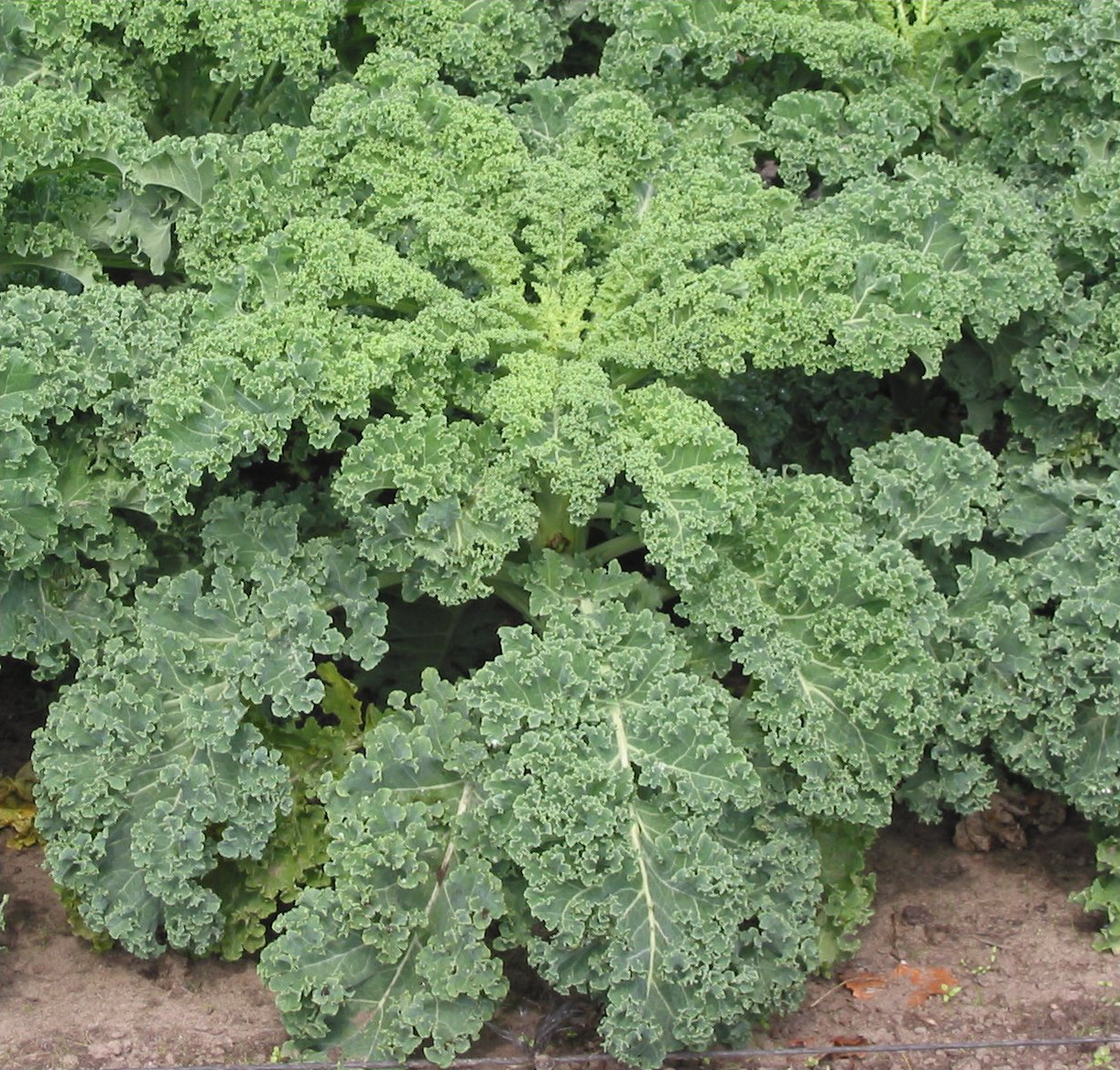
Kale, a nutritionally packed powerhouse of a vegetable.
Chlorophyll
Chlorophyll are a family of green pigments that are found in the chloroplasts of plants, giving leaves and other vegetables their respective color.  They are also found in some algae and bacteria.  Its utility to the plant is critical.  It is what enables photosynthesis.  Without it, the plant could not take in energy from the ultraviolet rays from the sun.  It also has many health benefits to the animals that consume vegetables, leafy or otherwise.

First, it is a powerful antioxidant.  Its potency for attacking free radicals in the body ranks among the highest.  
In addition, chlorophyll is also a powerful anti-inflammatory agent.  It is very sought after in liquid form for the advancement of phytomedicine against various diseases that are due to chronic inflammation in the body.  The research done by the Journal of Inflammation is one of the most revealing.

It protects against many types of cancers, most notably that of the colon.  

Chlorophyll's regeneration capacity helps our bodies produce red blood cells, and in addition, fights against anemia by making iron more bioavailable in our food.

It also acts as a hunger suppressant.  If you are overweight, eating a lot of dark, leafy greens has the advantage of having low calories, and will also make you less hungry.  Salads using spinach, kale, or romaine lettuce as opposed to iceberg lettuce are powerful weight loss promoters, providing you do not flood them with an excess of high calorie dressing or cheese.

These and more benefits discussed here are a reason to consume copious amounts of greens.
Specific Micronutrients
Fruits and vegetables all are part of a large, diverse, and essential food group to achieve optimal health.  The operative word being diversity.  While all fruits and vegetables contain helpful nutrients, they do not all have the same amounts of micronutrients.  It is best to have a variety of antioxidants and anti-inflammatories in your body at any given time.  This is because different micronutrients help ward off and fight different types of diseases better than others.

Hence, while eating a particular vegetable might be helpful, it is not optimally healthy to only eat one or two types of vegetables over a long term.  Leafy greens and other green vegetables contain specific micronutrients that other fruits and vegetables may not have, or may have in much smaller quantities.

Low Calorie
Alluded to in a previous paragraph, green vegetables tend to be very low in calorie count.  It is impossible to get fat by loading up on greens.  You can eat them in greater quantities than, for instance, a fleshy fruit such as a peach or plum.  While fleshy fruits are also a valuable part of the diet, they are also higher in sugar, carbohydrates, and calorie count.

Friday, September 25, 2015

The Bench Press Shirt: Yes or No?

Proponents of the bench press shirt proclaim that it acts as a safety device, preventing injury when benching heavy weight.  Its detractors say that it is merely a crutch.  An ego builder as opposed to a muscle builder, enabling you to lift weight you would otherwise not be able to without its use.

So, which side is right?  Or are there merits to both points of view?

What is a Bench Press Shirt?

They are made of polyester, canvas, or denim.  The original bench press shirts were single ply polyester, while all bench press shirts worn by competitive lifters today are of a multi-ply thickness.  If you have ever seen one, especially when being worn by a lifter, the first thing that will come to your mind is how stiff it is.  Witness someone putting it on, you will find they often need assistance from one, possibly two others.  While it is being worn, the lifter is unable to put his arms down by his sides in a relaxed position; they are outstretched in front of him.  It is such a tight fit, powerlifters will tell you that if you are not in pain when wearing it, that means that it is not tight enough.

A weightlifter being helped into a bench press shirt made by Inzer.

They Increase Your Maximum Bench Press
Though this was initially denied by many competitive lifters, the fact is that in the 1980s, people discovered that they could bench press considerably more when wearing a shirt than when performing a "raw lift."  That gave rise to the double, then triple ply shirts that we know today.  Because they were originally touted as a safety device, they were permitted in powerlifting competitions.  When lifters noticed their maximum bench press increase, the market responded by making even thicker, tighter suits.
How the bench press shirt is able to do this is simple.  The strong, but elastic material acts like a very tight spring.  It exerts a force in the same direction as your arms as you push outward.  That is the reason your arms will extend in front of you when you wear the shirt.

A modern, multi-ply bench press shirt made from a reputable company can add more than 30% to your raw bench press.  As of 2015, the record for a raw bench press is 715 lbs. while the record with a shirt is 1,102 lbs.  Several lifters have broken the 1,000 lb. mark using a shirt.

Safety?
Do they really improve the safety of your lift?  That claim is, at best, debatable.  The original bench press shirts may have served to keep the lifter's shoulders warm in between attempts.  However, while some still may be reluctant to admit this, the main motivation today for the shirt is to increase benching ability.  The increasing popularity of weightlifting since the 1980s among the general population has rendered the safety claim very dubious.  Look around your gym and see how many people are wearing a shirt.  If it is a hardcore gym, you may find a few at any one time.  However, in most gyms and fitness centers that are not populated by a disproportionate amount of powerlifters, you will most likely find nobody wearing a shirt.  The fact that so many people are able to bench without a bench press shirt injury free is evidence that it is not necessary.

If you do buy a bench press shirt, there is at least one potential risk.  Like any clothing, it can potentially be susceptible to wear-out effects with use over time.  If there is an unnoticed run or weakness that develops, and the shirt tears when you are in the act of lifting a weight that is 30% or more beyond your real capability, the weight can crash down onto your sternum, causing injury, and possibly a torn pectoral muscle in the process of trying to stop the bar.  So if you do compete, and therefore need to buy a bench press shirt, make sure you inspect it for signs of wear every time you use it.

Conclusion
The Sphere of Health does not adhere to the claim that bench press shirts will improve your safety.  In fact, in certain circumstances, it may pose an increased risk.  The vast majority of people who bench press do so without the use of these shirts, and do it injury free for many years.  There is no demonstrable evidence that wearing one reduces the chance of an injury.  The vast majority of bench press injury can be prevented by proper technique.  It is unnecessary to purchase one, unless you lift competitively.  The reason being that they add too much of a percentage to your bench press to be able to do without in a powerlifting competition.  Since they are allowed, if you are without one, you simply will have no chance of winning.  If you do wish to compete, purchase a bench press shirt by a reputable company, such as Titan, Karin, or Inzer.

Friday, August 21, 2015

Warning Signs of a Brain Aneurysm

Brain aneurysms are very serious conditions that can be life altering, and often fatal if not effectively treated immediately.  Almost any brain aneurysm falls into one of three categories.

  • Fusiform.  This is where the entire artery of the brain swells and bulges.
  • Dissecting.  This is a tear in the artery that causes leakage around the brain and braincase.
  • Saccular.  This is by far the most common type of brain aneurysm, accounting for approximately 90 percent.  These aneurysms take the form of a sac that develops on the outside of the arterial wall.  They can also be referred to as berry aneurysms, owing to the shape of the sac.
There are some cases where the aneurysm is completely asymptomatic.  However, much like heart attacks, aneurysms often rupture because the symptoms that they yield can sometimes mimic other things.  If you know whether or not you carry one or more of the risk factors, you may be able to be more vigilant about the symptoms.  Risk factors include previous brain injuries such as concussions, high blood pressure, severe infections of the blood, long term drug use, and family history.

Drawing of the brain with a ruptured aneurysm, and the results.

The Warning Signs of Aneurysms
 
Some of the following symptoms make it easier to discern that there is something serious going on in your body, even though these are not exclusive to aneurysms.  If you or someone around you experiences any of the following conditions, call an ambulance immediately. 

  • Numbness in one or both sides of your body.
  • Unexplained weakness in one or both sides of your body, or even in a singular limb.
  • Difficulty talking - unexplained slurred speech, or are not able to speak the words you are thinking.
  • Dizziness or trouble walking, for no apparent reason i.e. intoxication.
  • Seizures and convulsions.
  • Unexplained loss of consciousness.
This next set of symptoms can often mimic other ailments, such as stomach bugs or migraines, but are not uncommon to aneurysms.

  • Mild to severe headache.
  • Mild to severe pain behind the eye.
  • Pupil dilation.
  • Double vision.
  • Blurred vision.
  • Nausea.
  • Drooping eyelids.
 
So how do you differentiate between a brain aneurysm and just a normal headache or nausea?  Unfortunately, there isn't a completely foolproof way to do so.  For instance, if you only have nausea, it may be reasonable to assume you have a stomach bug.  Therefore, a good strategy to use would be combinations.  If you have nausea combined with double vision or numbness, or another symptom that is not common with a stomach bug, and you also have one or more of the aforementioned risk factors, you may want to go to the hospital.
Another example would be if you are experiencing pain behind the eye and light sensitvity, and have a history of migraines, it most likely is just a migraine.  But if it is combined with difficulty speaking or trouble with walking, that is a definite red flag.  Also, a headache that lasts more than a couple of days is often another telltale sign that something serious is going on.