Friday, July 31, 2015

The Perfect Burpee

The typical burpee consists of four basic steps.  Squat down, thrust legs out, pull legs back in to the squat position, spring back up with a jump at the end.  This differs from the regular squat thrust in that you only stand at the end, and go to the next repetition, forgoing the jump.  However, while the burpee does wonders in giving power to your core and legs, it to a large extent leaves out the upper body, other than momentarily bracing during the thrust and recoil part of the movement.

A United States Marine performing burpees.

The Perfect Burpee
 
1.  Squat:  From the standing position, place your feet shoulder width apart.  When you descend, do not lean over and round your back when you go to place your hands on the floor.  Squat in the same manner as you would with a barbell on your back, until you are able to touch your hands to the floor.
2.  Thrust:  From the bottom of your squat position, thrust upwards just enough to kick your legs straight out from underneath you.  When you kick them out, try not to bring them together.  Keep them shoulder width apart so you can bring them right back in to the squat position after the insertion of the next step.

3.  The Push Up:  This is not a step in the traditional burpee.  However, it can really add value to it.  When you squat down, with feet shoulder width apart, you tend to put your hands slightly wider, which puts them in a perfect position for a push up.  This added step will make the burpee work the arms and upper torso, namely the pectorals and deltoids.

4.  Recoil:  Keeping your feet shoulder width apart, spring off your toes, pushing inward and slightly upward.  Do not round your back;  keep it either straight or slightly arched upward.  That way, when you place your feet back down, you will be back in the ideal down position for a squat.  Your feet flat on the floor, your thighs below parallel.

5.  The Lift and Jump:  This is the positive (concentric) part of what is a plyometric squat.  From the bottom position, explode out of the hole as fast as you possibly can, pushing the floor away from you.  Push off with your heels; this will help you to maintain your squat form.  Throw your hands upwards to help you get more air out of the jump.  While in the air, make sure your knees are not locked.  Again, keep your feet roughly shoulder width apart, so when you land, you can spring downwards into the squat position to begin your next rep.

Monday, July 13, 2015

The Correct Way to Barbell Row

In the weight room, the object should be to condition and strengthen your muscles.  Not to strengthen your ego.  In fact, attempting to strengthen your ego in the weight room can put you at odds of the real goal.  It can do this in two ways.  The more obvious way is that improper lifting and stressing your body with poundage it can't handle with a correct lift can increase your risk of injury.  The other way, is that by taking a shortcut, such as a greatly reduced range of motion, your muscle is not being strengthened to near the degree it could be using correct lifting technique.

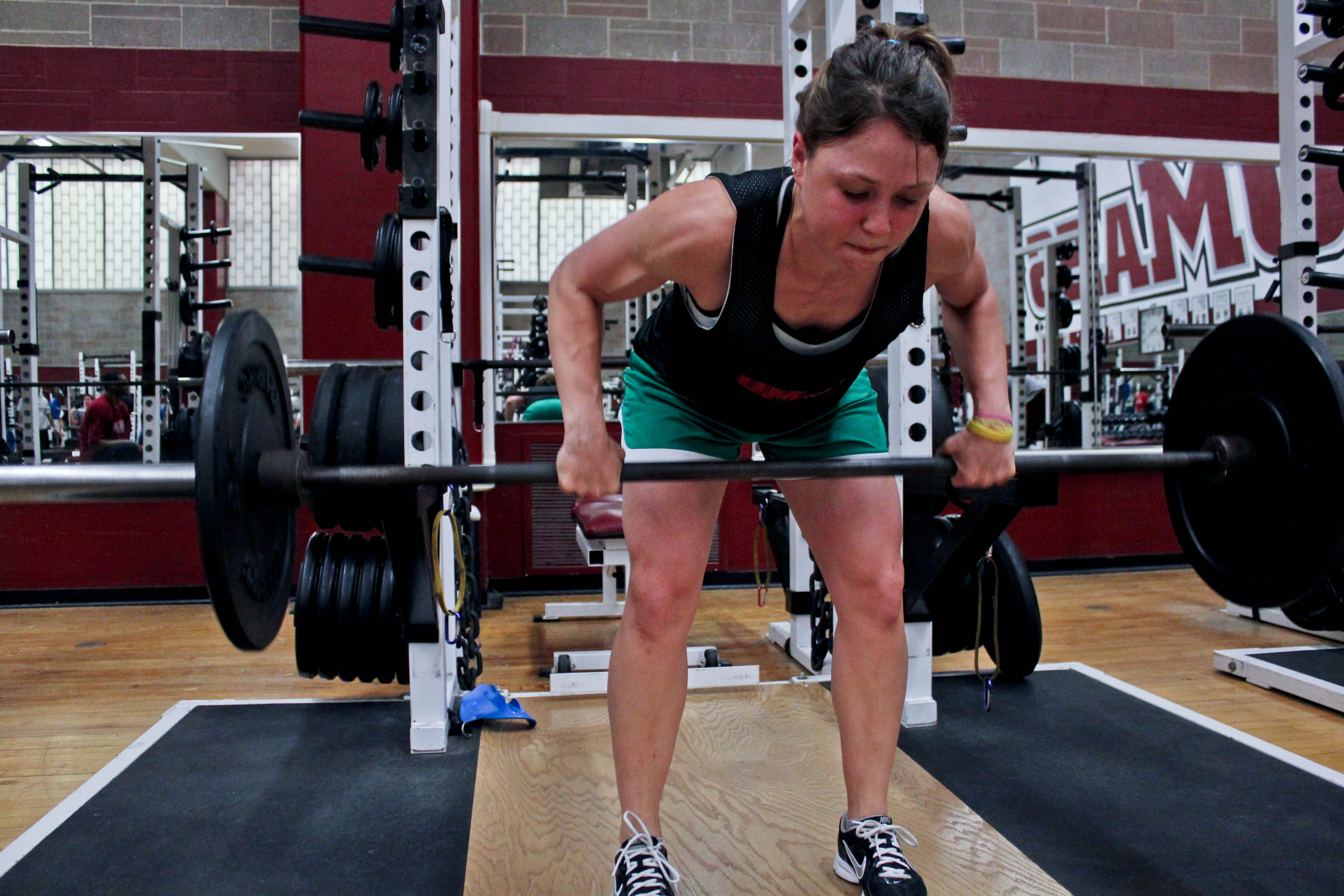
These shortcuts seem to be taken more on certain lifts than others.  It is highly probable that the lift done least correctly by the most number of people is the squat.  We have all seen many people load 400-500 pounds onto the bar and then squat down five or six inches.  One other lift where cheating is also rampantly observed is the back barbell row.  Many do not even realize that they are doing this lift wrong, as definite technique is often not taught.  Hence, people can be injured from rounding their backs, or end up moving the weight in only a few inches worth of range of motion.

The most common method of barbell rowing, especially by heavy lifters, is the following:  The bar is lifted off the rack, or platform in a standing position.  The lifter bends over at about a 45-60 degree angle, and rows the bar towards the lower abdomen.  And often, especially on heavy lifts, it consists of using momentum by swinging the back at the hips.  This use of momentum will de-emphasize the lats, which are the prime movers of the barbell row.  The reason behind performing the movement this way is to be able to lift a heavier weight than what your lats can actually handle.  These jerking movements carry a risk of injury to the biceps and lats, and the greatly reduced range of motion will hamper the development of those two muscle groups.


How to Correctly Perform the Movement

1.  It is probably easiest to start with the weight on the floor.  Not on the rack, or at any elevated position.  That way, it will make it easier for you to get your body in the proper positioning before you have a heavy weight in your hands.  This is most true for the working sets; it is somewhat less important on the warm up sets with light weight.

2.  Body positioning: your knees can either be straight, or slightly bent.  Place your feet about shoulder width apart.  As with all lifts and movements where you are handling a weight in a bent position, it is extremely important to keep your back straight, at the very least.  It is ideal to keep an upward arch, but most importantly, do not round your spine.  That places undue shear force on your discs, and your luck will eventually run out, more likely sooner than later.  Your back should be bent at an angle just short of 90 degrees.

3.  Starting with the weight on the floor, pull upwards in a fluid motion.  Do not use your spinal erectors to create momentum and jerk the weight upwards.  Pull the weight towards the midpoint between your sternum and bellybutton.  If you cannot get the weight all the way to your abdomen, use a lighter weight.

4.  Lower the weight in a controlled manner until it touches the floor.  Do not bounce the weight off the floor to start your next rep.  When the weight hits the floor, pause briefly, then repeat.  Aim for a weight where you can do 8-12 reps for three sets.
 

Monday, June 29, 2015

Why You Should Not Overcook Your Meat

There is paranoia among some people about "undercooked" meat.  If it is not browned all the way through, you think you are going to get food poisoning.  The idea that rare meat is dangerous is not new.  When a meat is cooked rare, or medium rare, part of the center usually retains a lot of similarity to its original texture, thus some are convinced it is still raw.  This fear is unfounded, and what is often not realized is that there is actually just as much to be afraid of by overcooking your meat as there is not cooking it enough.  While these effects are not as immediate as food poisoning, over time they can lead to lack of nutrition and risk of disease.

You risk more than just loss of flavor when you overcook your steaks.
 
Damage to Amino Acids
 
In meat, you acquire complete proteins, including branched chain amino acids.  However, many of these amino acids can be destroyed or compromised by excess cooking.
 
Dangerous Compounds
 
Two classes of compounds are formed when meat undergoes excess heat for too long.  Heterocyclic amines (HA), and polycyclic aromatic hydrocarbons (PAH).  What is the problem with these two compounds?  Well, they are both carcinogenic.  Eating enough of these, over a long enough period of time, is an avenue of potential long term exposure and higher risk of disease.  One compound in particular, acrylamide, is an exceptional culprit.  It is also formed in fried foods.
 
Inhibits Digestion

If food reaches an excessively high temperature, it can change its composition enough that it is more difficult for the body to both digest and absorb.  That means you will only get a fraction of the available proteins, fats, and micronutrients.

If food sits in the stomach and intestines for too long, it can partially ferment and cause irritation to both.  That will make your eliminations less regular, rendering you more susceptible to things such as colon cancer.  This is also yet another reason that processed foods are harmful.

Breaks Down Some Nutrients

In addition to the problem of your body being able to digest and absorb nutrients, some of them will also be destroyed by excess temperature.  Some micronutrients and vitamins will break down due to thermal cleavage of bonds, and will thus be rendered useless to the system once they are taken in.

Wednesday, June 17, 2015

Multivitamins: No Substitute for a Healthy Diet, and Possibly Very Harmful

So, you know your diet isn't always the best.  You tend to heap on the pasta, but eat the parsley and the small vegetable garnish on the side when you eat Italian, so you can give yourself a false sense of consolation that you don't completely ignore your greens.

But, you don't fret too much.  Because you have an insurance policy.  What your diet lacks, you make up for in this pill you take every day.  Probably at breakfast, if you are not one to skip breakfast in favor of your daily donut at the office.  This is, of course, a reference to your multivitamin.  Now you don't have to worry about what you eat so much, because you take this daily, religiously.  All the vitamins you need packed into a neat little pill, so you are guaranteed to never have a vitamin deficiency!  Or, are you really guaranteed?

That, of course, is a rhetorical question.  And a clear, "No," is the answer.  Your daily multivitamin cannot, will not, ever be a substitute for eating whole, nutrient packed foods.  In fact, there is mounting evidence that your multivitamin may even be harmful.

Author:  
Chiral isomers of medetomidine.  The orientation of a molecule can make a surprising difference in how, and if, it is absorbed and processed by the body.


Most Vitamin Pills are Synthetic

Over 90% of the brands of multivitamin pills sold over the counter have been synthesized in a laboratory.  Why does this matter?  Some vitamins, such as Vitamin E, have different enantiomers, which are different isomers of the same molecule.  There is a Vitamin E-d, and Vitamin E-l.  The d stands for dextrorotatory, and the l stands for levorotatory.  The d is the one found in nature and utilized by the body, while the l version is synthetic.  The levorotatory version of Vitamin E is not usable by the body, and will at best be excreted, and at worst, stored.

You Risk Excesses of Vitamins

While deficiencies of vitamins can render you susceptible to many illnesses, including heart disease and cancers, excesses of vitamins can in many cases be equally harmful.  For instance, Vitamin A has been shown to increase the risk of lung cancer.  Excesses of Vitamin E have been shown to increase the risk of heart failure, as well as overall mortality rates.

It is widely known that too much Vitamin C in your system is widely known to cause diarrhea and increase the risk of kidney stones. 

Another major problem with excesses has to do with the liver.  The liver processes only what the body needs.  Excesses are often times just passed through, however, the liver will also at times store them for later use.  Therefore, long term excesses will not allow the liver to get rid of its excesses.  Vitamins stored in the liver for a long period of time can cause fatty liver and other forms of liver damage.

Multivitamin Pills Do Not Have Other Micronutrients

There are 13 essential vitamins in total.  Yes, they can be encapsulated in a pill.  However, there are a wide variety of micronutrients you will not receive from a pill that you get from eating a healthy diet of whole foods.

Foods not only contain vitamins, but also essential minerals, and other healthful molecules such as antioxidants, anti-inflammatories, trace elements, and helpful fatty acids.

Conclusion

To date, there is no one "silver bullet" pill for curing all disease, and there is also none for prevention.  There really is no substitute for eating a healthy, nutritious diet.

However, that does not mean all supplementation is bad, or useless, of course.  While multivitamins may be bad for you, there are certain supplements which can be helpful.  For instance, most people are deficient in certain elements such as magnesium.  Most people are also deficient in another critical nutrient, especially those in seasonal or cold climates.  Vitamin D can be very difficult to get through sun exposure in cold weather.  Vitamin D is not actually a vitamin, but a hormone.  It is extremely critical in the prevention of a wide array of diseases, and for healthy gene expression.  Another example of a healthy type of supplement are extractions such as turmeric that have powerful anti-inflammatory properties.

Thursday, June 4, 2015

Mistakes You are Making that Reduce Nutritional Value of Food

We might think it's bad for our teeth.  We may not like the taste, or the texture.  Or in some cases, we might mistakenly even think it's bad for our internal system.  Maybe useless or not digestible.  But, in fact, if you do these alterations or eliminations, you are missing out on huge nutritional benefits that the food in question has to offer.

What can be just as dangerous a long term path as nutritional carelessness is thinking you are eating healthy, when you actually are throwing away nutrients.  Here are some things that are commonly done that shouldn't be done to some healthy foods and superfoods.

Unless you are making applesauce or apple pie with the intention of eating for a dessert for pleasure and not for nutritional value, never, never peel your apple.
 
You Peel Your Apples

Perhaps you prefer the texture of a peeled apple.  Or just don't want to deal with the potential nuisance of a piece of skin getting stuck between your teeth.  But if you knew what was in that skin, you would know it would definitely be worth the potential minor inconvenience.

The truth is, the skin contains about 5-6 times the vitamins and antioxidants as the apple's flesh.  The skin is also loaded with phytonutrients, which have powerful anti-inflammatory properties.  

The only part of the apple you should actively avoid are the seeds.  The seeds contain arsenic, which is a natural defense mechanism against consumption, ensuring that the next generation will breed.  Arsenic is a particularly dangerous heavy metal, not only because its presence is toxic, but until it is removed, it to a considerable degree inhibits detoxification of other heavy metals present in the body.

The skin, however, contains nothing but goodness.  So unless its applesauce or a pie you are making, don't peel the apple and throw the skin away.

Throwing Away Grape Seeds
 
In a stark contrast to the above warning about eating apple seeds, if you throw the grape seeds out, you are throwing away a lot of nutrients.  They don't have the best texture at first, but you can get used to them.  They have a comparatively weak shell, so they will not hurt your teeth to bite into them.
Grape seeds contain many of the nutrients that the flesh and skin do, and some of them in greater quantities.  A little known fact is that seeds also contain essential fatty acids in addition to the antioxidants and anti inflammatory micronutrients.

The most notable group of flavonoids found in grape seeds are the proanthocyanins.  Apart from their own antioxidant and anti-inflammatory properties, they also enhance the properties of other groups of antioxidants.  This is a property known as synergy.

Eat the whole grape, don't spit out the seed!

Adding Milk or Cream to Your Tea
 
Yes, it can taste very good.  It can add a richer, creamier accent to your tea of choice.  Unfortunately, it can also considerably reduce the nutritional benefits.  All tea has a variety of antioxidants, including polyphenols.  Black teas have the least, but still a considerable amount, while green and white teas are more plentiful.

While it may be tempting to add milk or cream to your tea, there is a culprit in the dairy called casein.  This protein is one of the two proteins found in dairy products, the other being whey.  The problem with the casein is that it has an affinity for many of these antioxidants present in tea, and will bind to them, rendering them useless to the body.

If you wish to flavor your tea, add lemon juice, or a small amount of honey, preferably raw honey.  Raw honey packs a powerhouse nutritional punch in and of itself, while lemon can enhance, rather than inhibit the antioxidant properties of tea.

Sunday, May 24, 2015

How to Tell Normal Forgetfulness From Dementia in the Elderly

The aging process can cause significant changes in the brain.  As a result, it is not very uncommon by the time some reach their seventies to experience mild forgetfulness.  Sometimes, this mild forgetfulness can be mistaken by younger family members as a sign of dementia.  While in many cases it can be a precursor to what is known as Mild Cognitive Impairment, or MCI, which is a condition that often leads to dementia, often times it is just a consequence of the aging brain.

So, how do we tell the difference with our elderly family members and friends between a sign of MCI or dementia, and just normal mild forgetfulness?

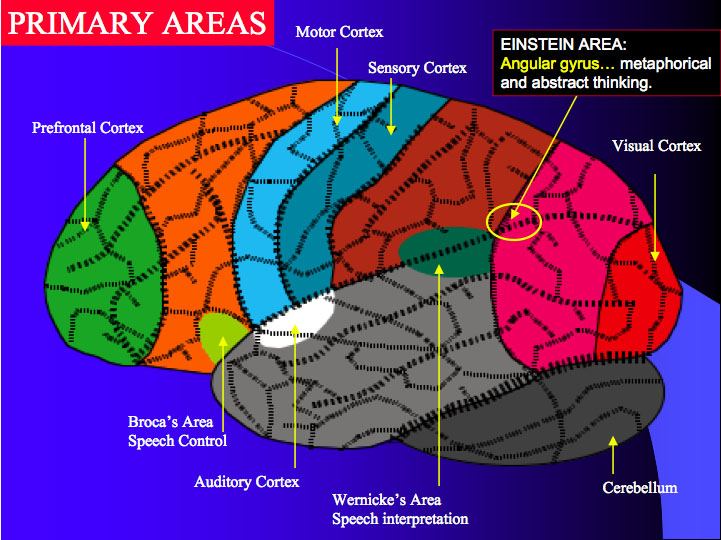
The brain, in different sections, to varying degrees and individuals, can undergo changes as we age.  Some of those changes can render us more susceptible to dementia, while others experience only mild forgetfulness.

Associative Behaviors and Personality Changes
 
People with dementia generally undergo behavioral changes that may either greatly exaggerate or sometimes run contrary to their normal personality.
 
Is the person exhibiting signs of depression?  Social withdrawl, often seems in a down mood.  Perhaps apathetic to life in general?  Depression, especially if the person has no history of it in the past, can be associated with early stage dementia.

Does your family member display a significant change in appetite?  Either greater or less?  Both symptoms can be evident of depression.  People tend to eat more, or less, depending on the individual, when they are depressed.

Is your family member becoming aggressive, and excessively frustrated more easily?  Especially when they are having trouble remembering things they are sure they should remember?  Or just seem to have a shorter fuse overall?  Aggressive behavior in the elderly may be born out of a general feeling of anxiety resulting from the disorientation that comes with dementia.

Is your family member's sleeping schedule significantly altered?  Are they staying up when they previously habitually slept, and vice versa?  The changes in the brain related to dementia can alter a person's circadian rhythm.

The Things They are Forgetting
 
We've all done it.  You have your keys in your hand, and then go looking for them.  Or maybe just put them down two seconds ago, and it takes you a few minutes to find them.  You walk into a room, and forget why you came in.  Or opened a closet door, and forgot what you are looking for.  These things can happen in more ways, and with more frequency, to the elderly.  That can be chalked up to mild forgetfulness that comes with age.
On the other hand, there are things that would be considered far more abnormal to forget.  For instance, it is easy to attribute forgetting why you came into a room as a mind slip, something that would be a cause for concern is forgetting where you are.  If you are visiting your elderly parent, grandparent, et. al, and they get up to go to the bathroom, and then come back into their living room to resume your visit and asking, "Where am I?" would be a major cause for concern.
 
If they habitually forget things such as their own age, the names of their children or grandchildren, those would be examples that should raise your concern.

If they confide to you that they have had trouble finding their way home after going to common places like their usual grocery store of choice, their favorite nearby restaurant - or have had difficulties finding their way there from home, that is often a sign of early stage dementia.

There are certainly other examples that cannot all be listed.  Use your judgment.  Is this something that should not be forgotten?  Or are these mind slips that anyone can have?  If something catches your concern, observe and converse with your loved one about things that he or she may have had trouble remembering.  If red flags go off, have them looked at by a specialist.

Friday, May 15, 2015

Oral Irrigators: Useful, but Not a Substitute for Floss

Oral irrigators, first developed in 1962, have become popularized among people who hate the chore of flossing.  They are marketed as a more comfortable and easier alternative to wrapping string around your fingers and weaving them through each of the individual crevices between your teeth.  The truth is, as useful as they are for some purposes, they can only be used in addition to, but not in place of flossing in the way of overall oral health and hygiene.

An oral irrigator made by Waterpik, perhaps the most popular brand in the market.
Removal of Particles Between Teeth
Many people have one or more what are commonly known as "food traps" in their set of teeth.  They have those gaps between the same two teeth where food particles seem to habitually get lodged.  This problem can be exacerbated in people who develop bone loss or tooth wear, which tends to enlarge the gaps and enable more food to be caught in between.
The standard recommendation for flossing is once per day.  If you eat three meals a day, and also have a snack between meals, it would be inconvenient to floss every single time, not to mention you would go through a roll of floss much faster.  Simply turning on the irrigator and running it through those gaps will save a lot of time, effort, and of course, floss.

Tonsil Stones
Tonsil stones, commonly known as tonsiliths, are round-like clusters of material that form in the crater like pockets of tonsils.  Some people have deep enough pockets that bacteria can form a three dimensional biofilm and accumulate minerals inside these gaps.  Often, they have no symptoms, though in some they have been known to cause pain similiar to a sore throat when swallowing.  They often become malodorous, and should be eliminated from the tonsil.  An oral irrigator that can shoot a powerful enough line of water to dislodge accumulated matter between teeth can also eliminate matter from a tonsil.  This is one job that floss is not capable of doing.  If you are prone to getting tonsil stones, an irrigator would be a wise investment.
Canker Sores

These non-contagious streptococcus infections can last up to a week.  They can be caused by a number of things, including stress and trauma to the inside of the mouth.  They usually come with considerable pain and sensitivity, and make eating and drinking a somewhat painful experience while they are there.  Treatment by use of an oral irrigator can reduce the life of the canker sore.  Set your irrigator to low pressure, and aim the pulse directly at the whitish center of the sore.  This will be even more effective if you use warm, salt water.
More good news - it isn't only good for treatment, but also for prevention.  If you are prone to getting canker sores, regularly pulsing around the entire gums and insides of the cheeks will reduce your risk of getting them.

Not a Replacement for Floss

As shown above, the oral irrigator can perform more than one function that floss is not capable of.  Where their duties loosely converge is the elimination of particles from between the teeth.  However, in that duty, it can assist, but not replace floss.  When you floss, you accomplish three tasks - you remove particles between the gaps of your teeth, which is the most visible part.  However, you also remove the layer of biofilm both above and below the gum line.  An oral irrigator simply cannot effectively clean below the gum line, and it cannot rid the biofilm layer on the sides of the tooth the way floss can.  Cleaning below the gum line is critically essential to preventing gum disease.

Oral irrigators come in many brands and a wide range of prices.  They have different pulsing options, both in quality and quantity.  If you are prone to any of the above conditions, or even if you aren't...they can be good for prevention of problems and a good assistor to floss.