Monday, September 19, 2016

Help Preserve Your Eyes With These Foods and Nutrients


While there are certainly genetic factors that play into the quality of your eyesight, there are also others within your control. Protecting them from the sun by wearing UV blocking shades, refrain from tobacco use and excessive drinking, and taking periodic breaks if you are in front of a monitor for long periods of the day. Another very controllable factor is your diet. Like any other part of the body, the eye will perform to its maximum capability if it is adequately nourished. This will be even more noticeable as you age. You stand a higher chance of developing age related complications with a poor diet. These are some of the foods that will best serve your eyes in both the short and the long term.
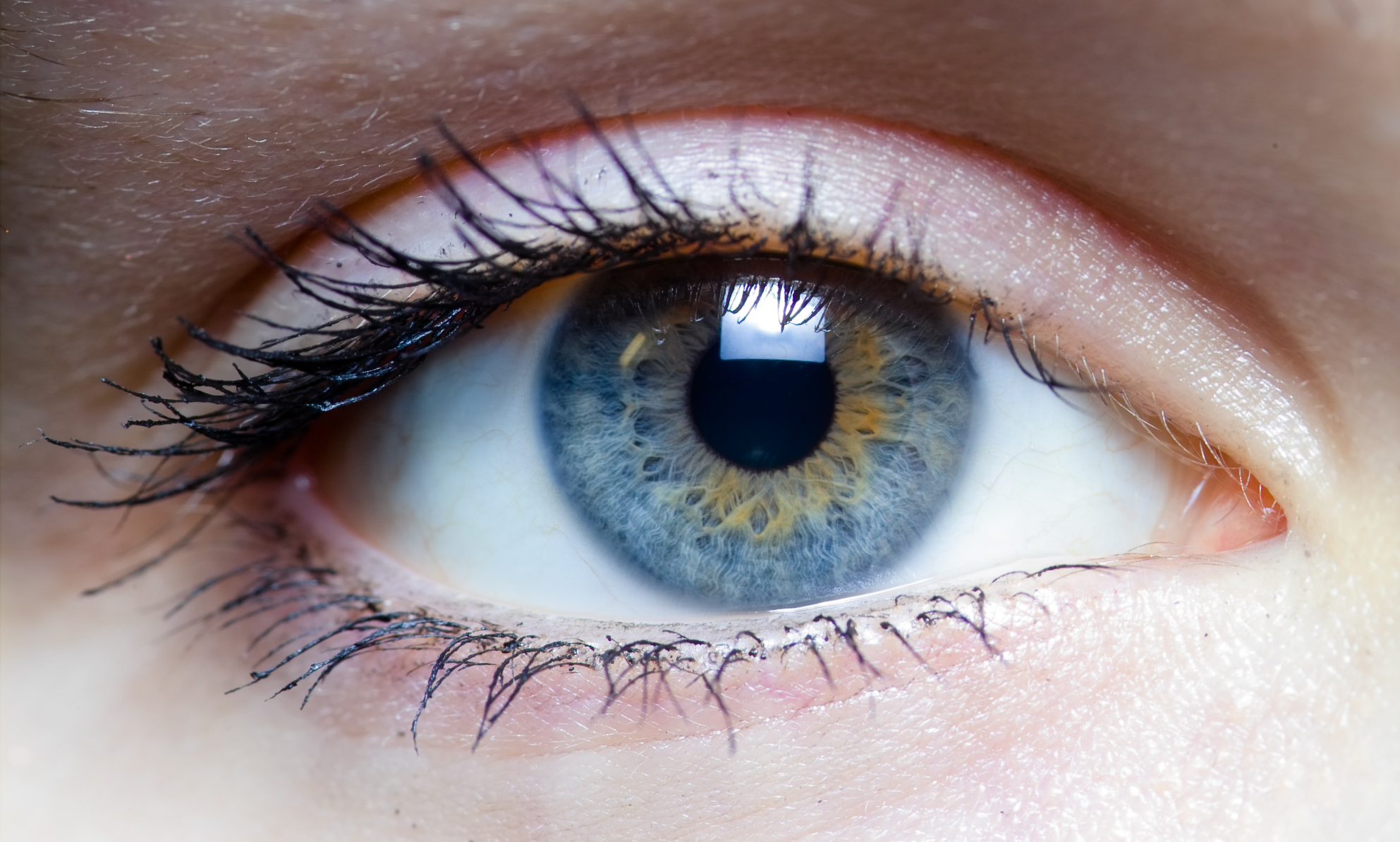

Do not underestimate the role of diet in the long-term health of your eyes.


Age-related macular degeneration is a growing epidemic in the United States. It is the leading cause of eyesight impairment in people over the age of 60. This condition is known for primarily attacking the sufferer’s straight-on vision. At onset, it is present at the very center of sight, and gradually expands outward. In addition to aging and sex (females have a significantly higher incidence than males), the two highest risk factors for this condition are both preventable. They are tobacco use, and improper nutrition. Insufficient intake of antioxidants, along with a deficiency in good fats will raise your probability of coming down with macular degeneration. Wild ocean fish such as salmon, tuna, and sardines are all very rich sources of omega-3 fatty acids that play an important role in reducing your risk of macular degeneration. Omega-3 acids also play a role in the prevention of dry eyes, a condition that can lead to complications such as inflammation and swelling. If for some reason you cannot get enough fish in your diet, you can choose a reputable omega-3 supplement.


Is there any part of your body that cannot be benefitted by consuming the incredible, edible egg? If such a part exists, it certainly is not the eye. Eggs contain healthy omega-3 fat, as well as lutein and vitamin A, which is an asset to the eye in more ways than one. It contributes to adequate sight of colors. In order to maximize your eyes’ capability of seeing colors, they must produce enough pigment for their retinae. Vitamin A fuels the production of these pigments. It also is a contributor to keeping your eye properly lubricated, preventing the condition of dry eye. In the developed world, lack of adequate vitamin A levels is a leading cause of blindness.


Beef is another good animal source for vitamin A. While red meat sometimes gets a bad reputation, a moderate amount is part of an ideal human diet. Apart from its quality proteins, beef has a high level of zinc, which aids the cells of the body in processing vitamin A.


Now we turn our attention from vitamin A to another popular multipurpose nutrient, vitamin C. While vitamin A contributes to color and lubrication, vitamin C works along the lines of omega-3 fatty acids in protecting against macular degeneration, as well as the development of cataracts. Elderly people with cataracts are much more likely to have a deficiency of vitamin C in their bodies than those without. Therefore, nutrient rich fruits such as berries – raspberries, blueberries, blackberries – as well as citrus fruits, are important in maintaining your vision as you age, especially if you have a family history of age related macular degeneration.


Lutein and zeaxanthin are two carotenoids that are found exclusively in plant material. Both are notorious for their versatile health benefits, among which are overall eye health and vision protection. Lutein has been known to boost the supply of the retinal pigment called epithelium. This has a more critical benefit than just preserving the aesthetic appearance of your eye. Epithelium is what transports needed nourishment to the cells of the eye. Zeaxanthin and lutein are both also responsible for the prevention of cataracts. People with adequate levels of both these antioxidants in their bodies were up to a third less likely to develop cataracts. Like omega-3 fatty acids, they also serve to protect against the development of age related macular degeneration. Leafy greens, most notably collard, spinach, and kale are among the highest in these carotenoids. Broccoli serves as the green cruciferous equivalent in the two nutrients.


If you are looking for a tasty source of healthy omega-3 fats, many nuts are loaded with them. Walnuts and almonds are especially high in these eye-friendly fatty acids. These nuts are also known for being heart healthy. One caveat to taking this approach – because they are so dense with these fatty acids, they also carry a high calorie content. A good way to get your fill is to adorn a leafy green salad with them, but be sure to limit your intake, as too many over a long period of time can result in weight gain.

Of course, the most well-known food for preserving your vision is the carrot. Because of its exceptional utility in maintaining eye health and function, it has also been subject to exaggerated myths. A significant portion of the quality of your vision is genetic. If you are nearsighted, eating carrots daily will not correct your vision. However, there probably is no food that is more useful to help your eyes reach their full inherent potential, as well as guard against age-related eye deficiencies and diseases. While it is true that most of the nutrients found in this tasty vegetable can be found elsewhere, carrots have an eye-friendly nutrient dense level, as well as being comparatively very low in calories. Not only do they carry a plentiful amount of vitamin A, they also are high in beta carotene, which gives the carrot its appealing orange color. Beta carotene rivals lutein in combating macular degeneration.

Sunday, July 10, 2016

How Posture Affects the Circulatory System


We have all been corrected at one point or another in our lives about our slouching.  Most often, we do not even realize that we are doing it.  For several reasons, it is important to be conscious of the way we are sitting and do so in a manner that both allows, and ideally even assists us in keeping a good posture.  The science of ergonomics is rampant in the chair industry in getting those dual attributes of comfort and health.

Most people are probably aware that long-term bad posture is “bad for you.”  However, many may not know the specific consequences of it besides perhaps developing a hunched spine as we age.  But the effects go way beyond that.  They in fact extend to the circulatory system.


Improper posture has far more effects than just being bad for the spine.  It can actually hamper your blood flow.


When we sit in the correct posture, we are maintaining the natural curve of the spine, and our torso at its intended angle.  This puts the spinal erectors and other supporting muscles of the upper body in their neutral position.  In slouching, large muscle groups such as the latissimus dorsi, along with the spinal erectors and rhomboids are put in a constant state of stretch.  If the head is also pointed forward, then it will also hold true for the neck muscles.  While proper, temporary stretching of muscle groups is highly beneficial to the body, the state of constant drooping is improper, and is not optimal for blood flow to each of these groups.  Years of lack of adequate blood flow can cause these muscles to become permanently damaged taking into account current medical technology.
In the front of the body, because the slouch position is a forward curvature, the abdominal muscles will become compressed.  Though compression is the opposite state of stretching, the same thing will hold true where suboptimal blood flow is concerned.  It will have the added effect of partial atrophy to this vital muscle group.

The effects of compression in the abdomen are not limited to the muscles.  It affects the entire abdominal cavity, which houses the majority of your vital organs.  Hampering blood flow to the heart, liver, and other digestive and respiratory organs puts them under constant stress when you are sitting down.  If you have a desk job where you are sitting for long periods of time, this can heighten the risk for many diseases, due to silent organ inhibition and damage.

The abdominal muscles are the prime movers in respiration.  Therefore, their inhibition will also affect the lungs, which work in unison with the heart to carry blood to every part of the body – the limbs, tissues, skin, abdominal organs, and brain.  The body naturally strives to maintain adequate blood flow to every one of its sectors.  If your posture is working against your body, that will in turn require your heart to labor more whenever you are sitting down.

If you have any other preexisting circulatory problems, it becomes even more critical to maintain a good posture.  If you sit at a computer for long periods of time, a post-it note beside your keyboard or somewhere that it is in your plain sight can be very helpful to check yourself, if you are one that has problems with sitting incorrectly.  Poor posture is often not from conscious laziness, but an unconscious lax in form over a period of time.  Should you have a back injury, or have begun to suffer the effects of a bad posture, you may also benefit from correction devices.  Ideally, those should be used on a temporary basis, as it is most desirable to condition the muscles in the back to make it easier to sit up straight.  Also, do not sit for too long at a time.  Allow yourself to stand up, stretch, and briefly walk around for at least a few minutes every hour.  Remain conscious of what your body is doing.  The human body is not designed to sit for very long periods of time, so the natural tendency is to slouch.  So straighten up, and remain ergonomically sound for the sake of your health.

Tuesday, May 17, 2016

How Fluoride Damages the Body Systems

When fluoride is ingested and reaches the stomach, it reacts with its hydrochloric acid (HCl).  The fluoride ion will displace the chlorine, due to its strong oxidation power, and form hydrogen fluoride (HF).  After it passes into the intestine and is absorbed, it will pass intact into the blood stream.  Because it is such a strong oxidizer, your liver will not be able to biotransform it into something more benign.  Since blood runs through all tissues, fluoride will invade all systems of the body.

For several valid reasons, countries around the world have discontinued adding fluoride to their water systems.  Despite the insistence of the American Dental Association, providers in the United States should absolutely follow suit.  Whether or not something can be shown to have a benefit when applied topically does not mean it is not harmful if it is ingested.

A system of reverse osmosis.  Water purifiers that have this system are extremely effective at ridding your tap water of fluoride.


Teeth

Children are the most vulnerable to the adverse effects of ingested fluoride in teeth.  Dental fluorosis is a condition where the teeth become hypomineralized.  In other words, they have less minerals, namely calcium, in their enamel than what is normal.  This results in softer enamel, which is more likely to fracture if something hard is bitten, as well as being more vulnerable to decay if the fluorosis is serious enough.  Nearly 40% of children in the United States have at least a small degree of dental fluorosis.

Skeletal System

When hydrofluoric acid reaches the bones, they react with the positively charged calcium ions in the various compounds that make up bone tissue, and form calcium fluoride.  The body then seeks to excrete this product.  A continuous process of this over many years results in decreased bone density, due to the subtraction of calcium.  As you age, bone tissue regenerates more slowly.  Continued subtraction of calcium puts you at much higher risk of osteoporosis.  Even when you are younger, it renders you more susceptible to bone fracture than you would be otherwise, as the reduced calcium takes away both strength and flexibility.

Bones are not the only target of fluoride in the skeletal system.  Hydrofluoric acid also can cause calcification of your cartilage.  This will have the effect of increasing your chances of developing arthritis, and also exacerbating the problem for those who already have the condition.

Digestive System

Your thyroid is a multi-functioning organ.  It helps regulate the synthesis of proteins, helps control your body's metabolism, and produces hormones that regulate how many of your other body systems will function.  One of the healthiest and most essential trace elements for optimal thyroid function is iodine.  Iodine is an non-metal element in the halogen group.  The danger to the thyroid is that because it is very receptive to halogens, that means it is also receptive to fluoride.  While iodine is beneficial, fluorine is harmful to your thyroid.  Your hormone output and regulation can be partially disrupted from taking in fluorine.  It is especially important for those who have been exposed to fluorine to take in enough iodine to help counteract the effect.

The toxicity of fluoride to the kidneys has also been long known.  Children's kidneys are even more sensitive than those of adults.  Since small children sometimes swallow the lather of their toothpaste, it is wise to have them use non-fluoride brands.

Brain and Nervous System

Despite previous thoughts to the contrary, fluoride has been shown to be capable of crossing the blood-brain barrier.  There have been over forty studies similar to this that have concluded that fluoride both impedes neural development, and contributes to the development of low IQ in children.  More so than adults, children are also susceptible to having their motor skills impeded during the development process.

Reproductive System and Fertility

Sperm chemotaxis is the process that causes a sperm cell to be attracted to a female ova.  The journal Archives of Toxicology reported that fluoride can disrupt or inhibit this process, which results in egg fertilization becoming drastically more difficult.

Because fluoride can also cause calcification in the pineal gland, it can also affect the onset of female puberty.  It is highly probable that the observation of girls reaching puberty at an earlier age in recent decades has fluoride as at least one of its culprits.  Higher obesity rates among juveniles is also a factor.

If you do not already have one in your possession, it is wise to reduce your exposure to fluorine by obtaining an adequate anti-fluoride water filter.